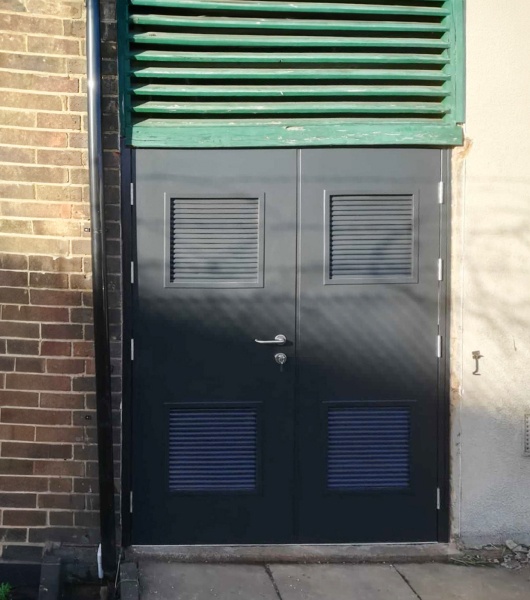
Across the United Kingdom, industrial premises rely heavily on steel security doors to protect stock, regulate access and maintain safe working environments. And while steel is well-known for its superior strength, high resistance to forced entry and long-lasting durability, daily exposure to heavy use, vehicle contact and changing weather places these doors under constant strain.
Over time, this can cause protective coatings to deteriorate, surface corrosion to develop and repeated impact to affect alignment or weaken structural components. If left unaddressed, these changes can compromise security, reduce reliability and create safety risks on site.
This article takes a closer look at why regular door inspections matter, the early warning signs of door damage, the impact of weather and usage over time and when repair or replacement becomes the practical choice.
Why Regular Door Inspections Matter
A routine industrial door inspection helps to spot early signs of wear or damage that can otherwise go unnoticed, particularly in high-use environments. These inspections play an important role in several key areas:
- Improved safety and site security: Inspections help identify worn mechanisms, weakened springs, damaged sensors or faulty locking systems that could cause injury or reduce resistance to unauthorised access.
- Reduced risk of operational downtime: Early detection of issues such as misaligned frames, loose fixings or stressed hinges helps prevent sudden failures that can disrupt warehouse movement or loading bay activity.
- Lower maintenance costs and longer service life: Planned maintenance extends the working life of high-use industrial doors and limits the need for emergency repairs or early replacement.
- Support for regulatory and insurance compliance: Routine checks help demonstrate that doors are maintained in line with UK safety expectations, reducing potential liability and insurance complications.
- Better energy control: Properly functioning doors and intact seals reduce air leakage, helping to maintain internal temperatures and manage energy use more effectively.
- Protection from weather and pests: Inspections ensure that seals and structural elements continue to keep out rain, debris and pests, protecting stored goods and equipment.
Early Warning Signs to Look For
Steel security doors are exposed to ongoing site activity and environmental factors that contribute to gradual wear. These effects often show in both the door’s appearance and how it operates. During routine checks, pay attention to:
- Rust on Metal Doors
Look for orange or reddish-brown streaks along hinges, frames, bolt areas and at the base of the door where moisture tends to collect. Pitting or small holes may indicate corrosion beneath the paint or galvanised coating.
- Paint Flaking, Bubbling or Blistering
Raised or cracked paint, particularly near welds, joints or the lower edge of the door, is a sign that moisture is trapped beneath the surface, leaving the steel vulnerable to rust.
- Stiff or Unresponsive Locks and Creaking Hinges
Difficulty turning locks, grinding noises in hinges or unusual resistance during door operation may point to worn bearings, seized pivot points or corrosion inside moving components.
- Misalignment or Gaps Around the Frame
Doors that no longer sit flush with the frame, scrape the floor or leave uneven gaps at the top or sides may have suffered impact damage, settlement of the floor or gradual twisting of the frame.
- Dents, Bends or Impact Marks
Small dents or bends caused by forklifts, pallet trucks or attempted forced entry may not seem serious, but can weaken the overall structure and affect locking integrity.
- Loose Handles, Locks or Fixings
Hardware that wobbles, rattles or shows movement under pressure can strain surrounding components and compromise door security over time.
- Signs of Moisture Inside the Door or Frame
Dark staining, water marks or mould growth on the internal face or around weather seals suggests failing gaskets, poor drainage or trapped condensation, which accelerates corrosion, especially during prolonged damp or cold periods.
Impact of Weather and Usage Over Time
The UK climate places steady pressure on steel security doors throughout the year. Regular rainfall, damp air and colder seasonal conditions allow moisture to settle on metal surfaces, particularly around hinges, frames and base edges.
Over time, this can weaken protective coatings, encourage rust and affect seals that keep out water and debris. In coastal or industrial areas, salt air and chemical exposure can further speed up surface deterioration and reduce the door’s resistance to corrosion.
Daily use adds another layer of strain. Doors in warehouses and logistics sites may open and close hundreds of times a day, placing constant stress on hinges, locks, springs and internal mechanisms. This repeated movement leads to mechanical fatigue, where components gradually lose strength.
When to Repair vs Replace
To decide whether it’s time to repair or replace a door, it is important to first assess how serious the damage is. Minor issues, such as small patches of rust, loose hinges or misaligned locks, can often be repaired quickly, bringing back a secure warehouse door to full function without major expense or downtime.
However, when damage is more severe, such as widespread corrosion, deep dents from repeated impact or structural issues affecting the frame or locking system, a commercial door repair alone may not provide adequate strength or security.
In these situations, investing in new impact-resistant doors ensures long-term protection, reliable operation and compliance with safety standards.
Preventative Maintenance for Steel Security Doors
Regular maintenance keeps doors reliable, extends their lifespan and reduces the risk of unexpected failures. Key preventative steps include:
- Lubrication of moving parts: Apply suitable lubricants to hinges, locks and bearings to prevent stiffness and reduce wear from daily use.
- Surface protection: Touch up paint chips or scratches promptly to prevent moisture from reaching the steel and causing corrosion.
- Seal and gasket checks: Ensure weather seals remain intact to stop water ingress, drafts and pest entry, particularly in damp UK conditions.
- Cleaning routines: Remove dust, debris or chemical residues from door surfaces and tracks to avoid accelerated wear and ensure smooth operation.
- Scheduled professional servicing: Engage trained technicians for thorough checks of critical components, particularly on high-traffic or impact-prone doors.
Keeping Steel Security Doors Reliable for the Long Term
Early signs of wear on steel security doors rarely resolve on their own. What begins as minor surface damage, small impact marks or early corrosion can progress into structural weakness, security risks and costly operational disruption. A clear approach to inspection and maintenance helps address issues at the right time, keeping access points dependable and site protection intact.
A professional assessment offers the most reliable way to identify hidden faults, evaluate structural integrity and recommend practical solutions, whether that involves targeted repairs or upgrading to more resilient door systems. For facilities across the United Kingdom, this level of oversight supports safer operations, stronger security and long-term performance.For expert guidance, arrange a door health check, or explore upgrade options with us at Security Doors Direct.