Your door is one of the most crucial lines of defence. But over time, wear and tear can weaken your door’s ability to protect your home or business. A compromised door not only leaves you vulnerable to break-ins but can also lead to higher repair costs down the road.
In this guide, we’ll walk you through three simple ways to tell if your current door is putting you at risk – and how to fix it.
1. Check for visible wear and tear on the Current Door
When a door gets scratched or dented, it weakens the integrity of the material. Steel security doors, for example, are built to withstand physical force, but any damage to the surface can create weak points where it’s easier for an intruder to break through. Warped or misaligned doors are an even bigger issue – these gaps provide easy access for criminals who might be able to pry or force the door open.
How to do it:
Start by inspecting your door for any obvious signs of damage. Look for things like scratches, dents, or warping in the material. If you notice that the door’s frame is misaligned or there are gaps where it doesn’t properly close, that’s a red flag. These imperfections may seem minor, but they can seriously impact the effectiveness of your door.

2. Test the locking mechanism
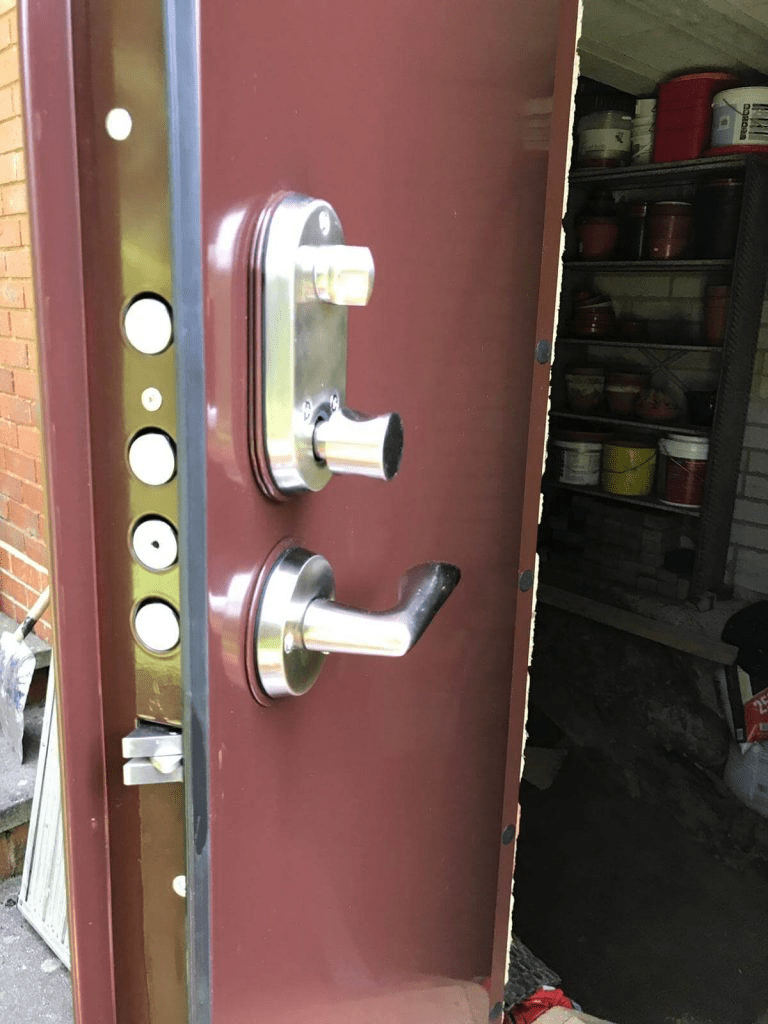
A weak or old lock is one of the easiest ways for intruders to gain access to your property. Off-the-shelf locks can be easily picked or bypassed, which leaves you at risk. You may want to consider upgrading to multi-locking doors, as they offer additional layers of security and make it far more difficult for anyone to break in.
How to do it:
Check if the door locks securely without any resistance. If the locking mechanism isn’t operating smoothly, it’s a clear sign that there’s something wrong. Take the time to test the lock by engaging it several times – if it feels unreliable, that’s a bad sign.
Check for any gaps between the door and the frame as well – if the lock doesn’t fit properly, it can weaken the overall security of the door. A poorly functioning lock not only compromises your safety but also increases the chance of needing costly repairs later on.
3. Assess the door’s material and construction
If your door is made from wood or thin metal, it may be vulnerable to forced entry. Heavy-duty security doors offer much greater protection, as they’re designed to resist cutting, prying, and forced entry attempts to ensure that your property remains safe and secure.
How to do it:
Start by examining the thickness of the door – how strong does it feel? Is it solid to the touch or does it feel flimsy? Take a moment to knock on the door or gently push on it. A weak door will often feel hollow or flimsy under pressure. If it doesn’t feel solid, it’s time to think about upgrading to a door made of more durable materials, like fire-rated steel doors, which offer additional protection against fire and break-ins.
Act Now to Secure Your Property
By regularly assessing your door for visible wear, checking the functionality of the lock, and evaluating the strength of the material, you can catch potential security risks early. If your door shows signs of weakness in any of these areas, don’t wait for a break-in to happen – take action now.
Here at Security Doors Direct, we specialise in custom security doors designed to meet the unique needs of your property. Get in touch with our team today to learn how we can help secure your home or business with a tailored solution that fits perfectly and provides peace of mind.