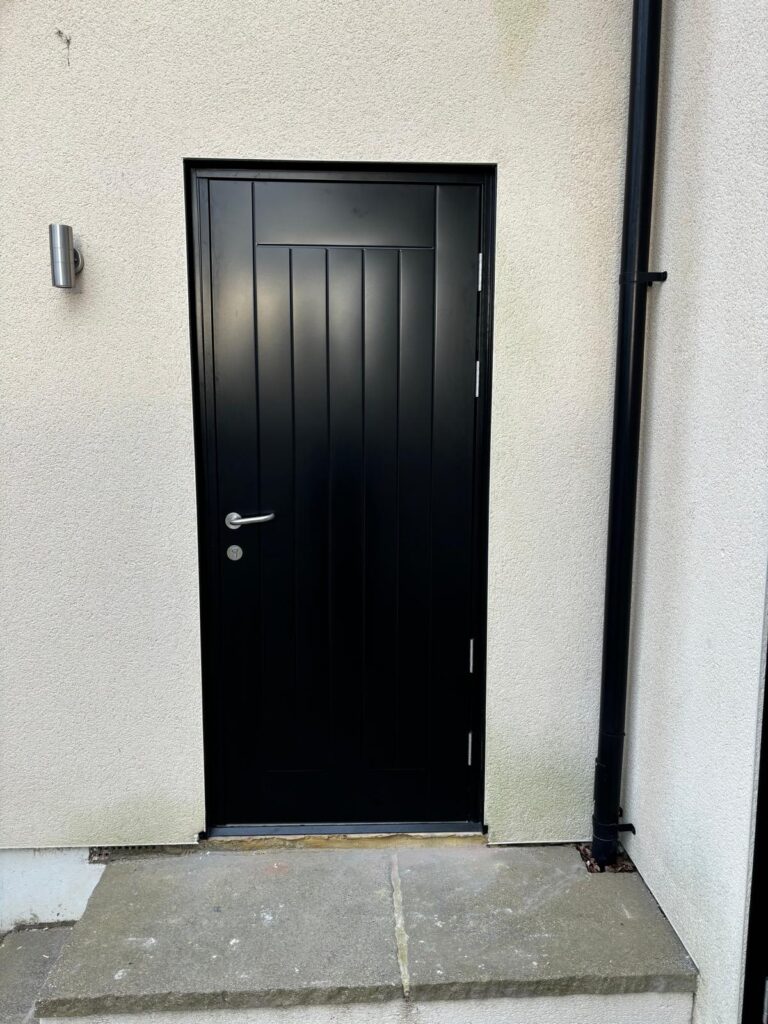
If you’ve been thinking about upgrading your front or back door security, the timing might be better than you realise. In October 2025, the Association of British Insurers issued updated guidance that fundamentally changed how home insurers can assess door security when calculating your premiums. For the first time, insurers can now formally recognise independently certified security doors when pricing policies and assessing claims.
What does this mean in practical terms? If you install a Secured by Design front door, you could reduce your home insurance premium by 5-15%. This transforms a security upgrade from a straightforward cost into an investment that delivers ongoing financial returns whilst simultaneously improving your family’s safety.
The change took effect for new policies from January 2026, with renewals covered from March 2026 onwards. If your home insurance comes up for renewal this spring or summer, you’re in the ideal position to benefit immediately.
What the Insurance Change Actually Means
The October 2025 ruling allows insurers to recognise physical security barriers that meet police-approved Secured by Design standards when they calculate premiums and assess claims. Unlike alarm systems, which can be disabled, bypassed, or simply forgotten when you pop to the shops, certified security doors provide permanent, passive protection that works around the clock regardless of whether you remember to set anything.
This distinction matters enormously to insurers. Their actuarial models show that physical barriers deliver more consistent protection than systems requiring human intervention. A steel security door doesn’t need batteries, won’t fail if your Wi-Fi drops, and can’t be defeated by cutting a telephone line.
The ruling applies to doors that carry Secured by Design certification, which is the standard developed by the police service and tested against realistic forced-entry scenarios. Insurers specifically recognise this certification because it represents independent, consistent testing rather than manufacturer claims.
For homeowners, the timeline is straightforward. Policies issued from January 2026 onwards can include the security door discount from day one. If you’re renewing an existing policy, the change applies to renewals dated March 2026 or later. Most households renewing between March and September 2026 can benefit immediately if they act before their renewal date.
Where This Matters Most for Homeowners
Whilst any household can benefit from both the security improvement and the premium reduction, the impact varies depending on your property and location.
The benefit applies most significantly in semi-rural and suburban areas where police response times typically exceed urban averages. In these locations, the value of a physical barrier that delays or prevents entry entirely becomes proportionally more important because help takes longer to arrive.
Geography matters in another way too. The change particularly helps homeowners in neighbourhoods that have experienced localised crime increases. If you’ve noticed more break-ins in your area, or if you’ve received a letter from your insurer explaining that your premium has increased due to ‘postcode risk factors’, the security door discount can offset some or all of that increase whilst actually addressing the underlying risk.
Property type plays a significant role. Detached properties with multiple access points benefit more than terraced homes with one entry. Houses where doors face gardens rather than streets, offering cover from public view, see higher forced-entry rates. This makes certified security doors particularly valuable for back doors that can’t be seen by neighbours or passers-by.
The ruling also impacts households with high-value contents. If you’ve found that standard insurance coverage limits have become insufficient for your possessions, forcing you to pay additional premiums for increased contents cover, certified security doors can reduce those loadings. Some insurers now offer enhanced contents coverage limits specifically for properties with certified front and back door security.
Why It Matters Beyond the Premium
The immediate financial benefit gets most attention, but the insurance ruling carries several other advantages that matter just as much over time.
First, insurance recognition validates the genuine protective value of security doors. It cuts through marketing claims and sales promises with independent assessment. When an insurer reduces your premium based on a certified door, they’re confirming through actuarial data that the door genuinely reduces their risk of paying out on a claim. That validation offers powerful reassurance.
Second, the numbers make the investment comparable to other home improvements you’d consider routine. Premium reductions typically recover the security door cost within 8-12 years, which places them in the same financial category as double glazing, a new boiler, or solar panels. These aren’t purchases you expect to ‘pay back’ in a single year, but they deliver value throughout your ownership of the property.
Third, some insurers now offer benefits beyond simple premium reductions. Enhanced contents coverage limits mean you can insure higher-value possessions without punitive loadings. Reduced excess amounts mean you pay less out of pocket if you do need to claim. Specific insurers offer guaranteed replacement for items stolen despite certified security, removing the depreciation arguments that often reduce claim settlements.
Finally, in the event of a claim, certified door security strengthens your position considerably. Insurers assess whether you took ‘reasonable precautions’ when deciding whether to pay in full or reduce settlement amounts due to inadequate security. A Secured by Design door provides documented evidence that you exceeded reasonable precautions, making partial settlement disputes far less likely.
Why Most Homeowners Don’t Know Yet
Given the financial and security benefits, you might wonder why this hasn’t been more widely discussed. There are several reasons the information hasn’t reached most households.
The October 2025 ruling received minimal consumer press coverage. It appeared in insurance trade publications and professional journals that homeowners simply don’t read. The consumer press focuses on rate changes and comparison shopping rather than the detailed guidance updates that determine how those rates are calculated.
Insurance renewal documents rarely explain the specific criteria that determine your premium. You receive a renewal quote with a total figure, but the breakdown doesn’t itemise ‘no security door: +£47’ in a way that makes the missing discount visible. Unless you specifically ask your insurer what would reduce your premium, you won’t discover that certified door security now features in their pricing model.
Many door suppliers and locksmiths haven’t updated their sales messaging yet. The change is so recent that companies unaware of insurance industry developments don’t mention it when discussing security doors with customers. Even firms that supply Secured by Design doors may not realise those doors now deliver measurable insurance benefits.
This creates a particular issue for homeowners who installed quality security doors before 2026. If you fitted a Secured by Design door two or three years ago, you might not realise you should contact your insurer now to have your premium reassessed. The protection you’ve already paid for could be saving you money right now, but only if you tell your insurer it’s there.
How to Claim the Insurance Benefit
Claiming the premium reduction requires a few straightforward steps, but you do need to take the initiative because insurers won’t automatically apply it.
First, check whether your existing or planned security door carries Secured by Design certification. This is the specific standard insurers recognise for premium adjustment. Other security certifications may indicate a quality door, but they don’t trigger the insurance discount. If you’re researching doors now, make Secured by Design certification a non-negotiable requirement.
Second, contact your insurer before your renewal date. Provide the certification details and request a premium reassessment. Most insurers will handle this over the telephone, though some may ask you to email supporting documentation. Keep written confirmation of any agreed reduction, whether that’s an email or a note of the call reference number and the name of the person you spoke with.
If you’re planning to install security doors rather than claiming for existing ones, inform your insurer in advance. Confirm the premium reduction in writing before you proceed with the installation. This protects you from discovering afterwards that your particular insurer doesn’t offer the discount or requires additional documentation you don’t have.
Request that the door certification is noted on your policy schedule. This serves two purposes. It protects your position if you need to claim, providing immediate evidence that certified security was in place. It also ensures the information transfers correctly if you change insurer at a future renewal, saving you from having to explain and document the security again.
Some households find that switching insurers delivers a larger saving than their current insurer offers for the security upgrade. If your renewal quote seems high even after the security door discount, obtain comparison quotes from insurers who actively promote the security door benefit. The combination of new customer discounts and security recognition can sometimes deliver savings of 20-30% compared to simply renewing with your existing provider.
How Security Doors Direct Supports Insurance Claims
Security Doors Direct manufactures residential security doors to Secured by Design standards and provides certification documentation in the format insurers accept for premium assessment. Every installation includes certification labels that remain visible for future insurance inspections or property surveys, and customers receive documentation that explicitly states the Secured by Design compliance.
For homeowners who installed doors in previous years, Security Doors Direct can provide retrospective certification documentation. If you had a security door fitted before the October 2025 ruling, contact us to request the certification paperwork. This allows you to claim the new insurance benefit when your policy next renews, recovering value from an investment you’ve already made.
What This Means for Your Next Decision
The October 2025 insurance ruling transforms home security doors from an anxiety-driven purchase into a rational investment that delivers ongoing dividends through reduced premiums whilst simultaneously improving your family’s safety and your own peace of mind.
If you’ve been considering security upgrades, particularly for front or back doors that feel vulnerable, this is the moment to move forward. If your home insurance renews in the coming months, you can combine both decisions for maximum benefit, improving security and reducing your premium in a single action.
The financial case now stacks up in a way it simply didn’t before October 2025. A security door no longer represents purely a cost against a hypothetical future risk. It represents a cost that pays itself back through measured annual savings whilst simultaneously addressing that risk.
For households that have already experienced attempted break-ins, or for those in areas where crime has increased recently, the combination of immediate security improvement and long-term financial return makes the decision considerably easier. You’re not choosing between feeling safe and managing your household budget. You’re choosing an option that addresses both.
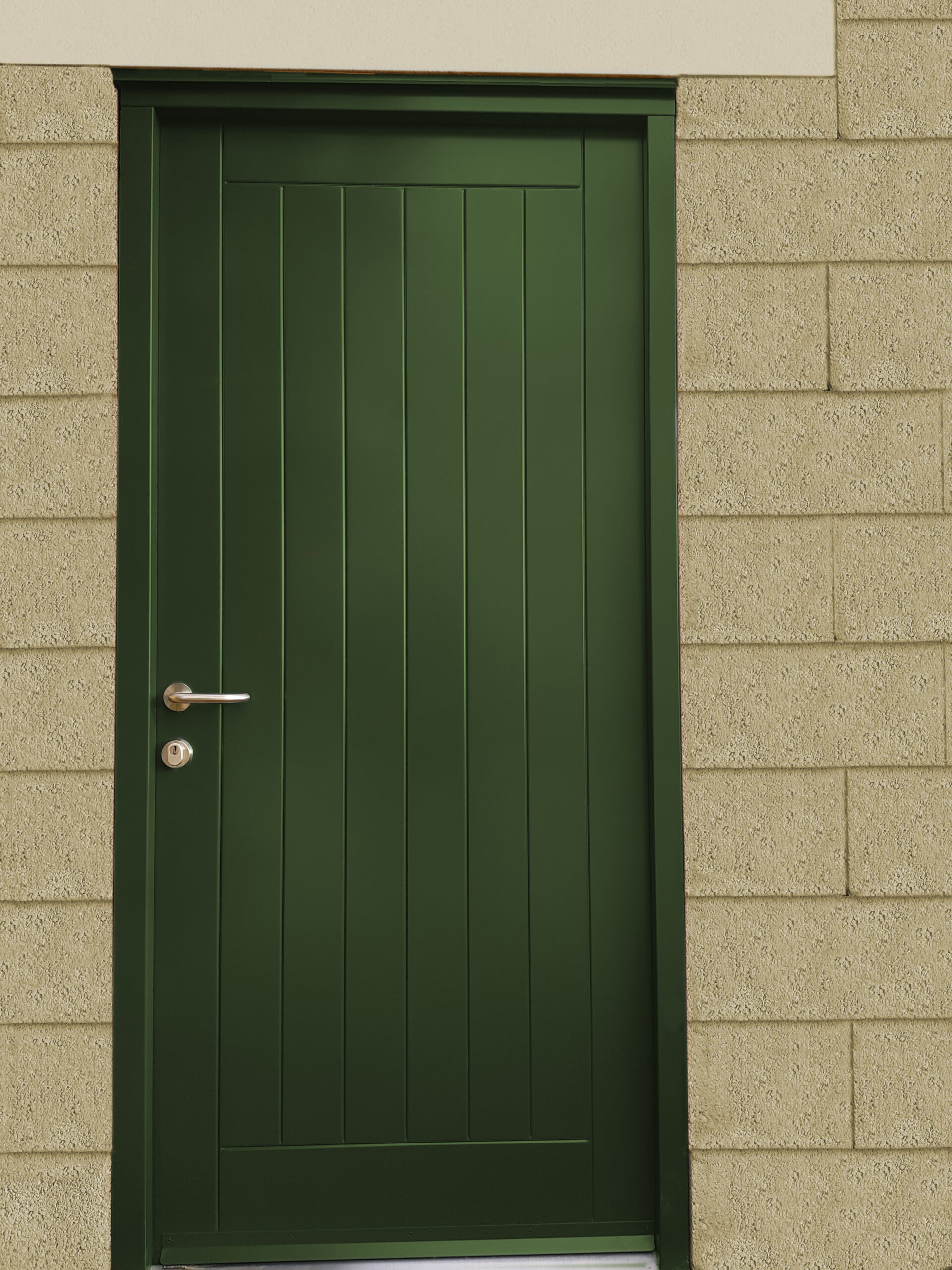
Contact Security Doors Direct to discuss Secured by Design options for your property. The team will assess what level of security suits your particular entry points, explain how the doors will look in your home, and provide the insurance documentation pack that makes claiming your premium reduction straightforward. The consultation is no-obligation, and you’ll receive clear pricing upfront so you can make an informed decision about what works for your household.
Your home insurance renewal isn’t just an administrative task anymore. It’s an opportunity to reduce ongoing costs whilst making your home genuinely more secure. Take advantage of the timing, and make 2026 the year you stop worrying quite so much about your front door.