A warehouse holds more than goods. It carries your operating margin, supply commitments and the flow of your daily operations. When stock goes missing or access is not properly controlled, the impact is immediate, from delayed deliveries to financial losses and compliance issues. Even small gaps in how entry points, storage areas or equipment are managed can lead to serious operational setbacks.
For warehouse owners, operations managers and logistics teams, preventing these issues means having solid warehouse security measures in place. To do this, it helps to understand the key challenges warehouses face, identify the areas that need close attention and take practical steps to protect stock, equipment and access points.
The Risks of Poor Warehouse Security
Security gaps in a warehouse do not stay hidden for long. They show up as missing stock, broken locks, damaged equipment and, in the worst cases, repeated criminal attention. Crime data shows that warehouses and logistics hubs are a leading target for organised theft across Europe and the UK. Recent data shows that around 41 per cent of recorded cargo crime incidents involve theft from warehouses, making them the most common location targeted by criminals.
In the UK alone, official figures recorded more than 5,300 cargo theft cases in 2023, with stolen goods valued at roughly £68 million. When you add in wider retail and supply chain crime, losses linked to warehouse and distribution sites run into the hundreds of millions annually, driven by both external break‑ins and internal losses. This level of loss has direct financial consequences.
It also affects delivery reliability. Customers waiting on stock that never arrives can quickly lose confidence in your business. Over time, reputation damage can be just as costly as the stolen goods themselves, especially for smaller operators and logistics partners that rely on trust and punctual fulfilment.
Priority Areas to Secure
To protect warehouse stock, it helps to understand which areas carry the highest risk. Some spots naturally become danger zones because they see the most movement or hold the most valuable items, such as:
- External Entry Points
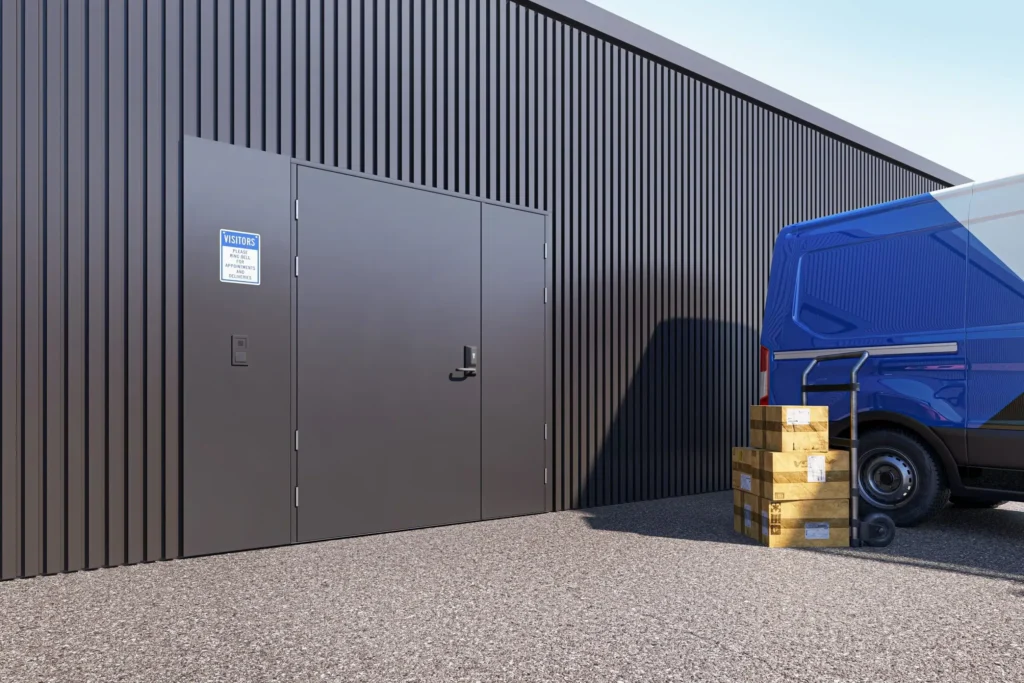
In a warehouse, external doors and loading bays are the most obvious vulnerabilities. These areas see constant movement of goods and people, making them prime targets for opportunistic theft. Poorly monitored entrances, weak locks or low lighting can allow intruders to move stock without being noticed. Security for loading bays is especially critical because a small lapse here can disrupt entire deliveries and operations.
- Internal Zones
Inside the warehouse, areas like tool stores, server rooms and offices carry their own risks. Tool stores hold valuable equipment, server rooms store sensitive data, and offices often contain systems that control inventory and operations. If these zones are left unmonitored, small losses, whether from human error or deliberate action, can escalate into serious operational problems.
- Staff Entrances and Emergency Exits
Even areas reserved for staff convenience and safety can become vulnerabilities. Staff entrances may be used to bypass main access controls, and emergency exits, while essential, can be exploited if not properly monitored. Awareness of these points is essential to maintain secure access points throughout the warehouse.
- Perimeter Fencing
The perimeter forms the first line of defence in warehouse security. Any gaps, damage or lack of maintenance can give intruders access to multiple entry points without being detected. A compromised perimeter increases the vulnerability of the entire site, making careful monitoring and upkeep essential for protecting stock, equipment and operations.
Solutions That Work
Once you’ve identified the areas that put your operations at risk, the next step is choosing practical, reliable measures that actually make a difference. When you think about warehouse entry-point protection and overall site safety, it helps to start with strong physical barriers and build from there.
Key initiatives worth considering include:
- Industrial Security Doors with Multipoint Locking Systems
High-quality steel doors for warehouses provide a strong first line of defence against forced entry and heavy use. Multipoint locking systems secure the door at several positions along the frame, making it harder to breach and improving overall stability. For busy warehouse environments, this adds reliable protection without slowing down day-to-day movement.
- Reinforced Door Frames, Anti-Jemmy Hinges and Vision Panels
A strong door is only effective when the surrounding structure is equally secure. Reinforced frames improve resistance to impact, while anti-jemmy hinges help prevent tampering or forced opening. Vision panels allow staff to check activity on the other side before granting access, supporting safer and more controlled movement across the facility.
- Integration with Access Control Systems and CCTV
With access control systems and CCTV in place, warehouse teams can monitor movement throughout the facility and manage entry more effectively. Access can be limited to authorised personnel, activity can be recorded, and unusual behaviour can be spotted early. This level of visibility helps reduce risk and keeps day-to-day operations running smoothly.
Security Best Practices
Effective warehouse security is never about a single measure. The most reliable approach combines multiple layers, so that if one barrier is breached, others are in place to protect stock, equipment and operations. Physical barriers like steel doors for warehouses and reinforced entry points work hand in hand with surveillance systems, such as CCTV and access control, to create a layered defence that keeps intruders at bay.
Routine checks and maintenance are equally important. Doors, locks, cameras and fencing need regular inspection to remain effective, while staff must be trained on the correct use of secure access points. Simple practices, such as making sure emergency exits are closed after use and verifying deliveries at entry points, can prevent both accidental loss and deliberate theft.
Special attention is needed for areas storing high-value goods. Limiting access, monitoring movement and maintaining strict logging of entries and exits means these zones remain secure without slowing operations. Combined, these measures form a set of commercial security solutions that protect the warehouse, support staff, and safeguard business continuity.
Secure Your Warehouse the Right Way
In the end, protecting a warehouse comes down to control. When entry points are secure, high-risk zones are properly managed, and staff follow clear procedures, day-to-day operations become far more predictable. Stock remains accounted for, equipment stays protected, and deliveries leave on time. What began as a risk to margin and workflow becomes a managed process with defined safeguards in place. If you are reviewing your current setup or planning improvements, it may be time to assess whether your entry points provide the level of resistance and control your operation requires. Explore Security Doors Direct’s range of warehouse doors and request a quote to see how the right specification can strengthen protection across your facility.